Upgrading with AC Installation in Hutto: Efficiency Tips for Lower Bills
In Hutto, you feel air conditioning long before you see the bills. The heat settles in, humidity sticks around, and the system either keeps up or it starts fighting back. If your current unit is struggling, short cycling, or running constantly just to hold a temperature you set weeks ago, it is usually less about “trying harder” and more about upgrading the right way.
A well-planned AC installation in Hutto can reduce your monthly costs, but only when the equipment choice and the installation details are matched to your home. The difference between a decent upgrade and a money saver often comes down to airflow, duct performance, correct sizing, and smart control. That is where an experienced HVAC contractor in Hutto earns their keep. And if you are looking for a team that approaches this with real-world practicality, Jurnee Mechanical Heating & Air Conditioning is the kind of local partner you want on the job.
Why bills jump in Hutto, even when you “set it the same”
Most homeowners have the same thermostat habit: turn the temperature down when the house feels warm. That works fine until it does not. Over time, a system that is slightly undersized or poorly matched to ductwork will run longer cycles, then start struggling to reach the setpoint. Add humidity, leaky returns, clogged air filters, or supply vents blocked by furniture and rugs, and the result is predictable: longer runtime, higher energy use, and rooms that feel uneven.
One thing I see often is the “comfort trap.” The homeowner upgrades from a window unit to central air, or replaces an old condenser, and the house cools down quickly. For a while, that feels like progress. Then the seasons change, the humidity rises, and the unit begins running harder than it should. The temperature may hold, but the humidity control drops and the system cycles more frequently. You end up paying for cooling you cannot feel, because the air is not being delivered the way it should be.
Efficiency is not just a number on a spec sheet. It is the total system performance, including how the indoor unit moves air and how the outdoor unit manages heat. That is why HVAC repair in Hutto matters too, even during an upgrade. If your ductwork or blower setup is off, swapping the condenser alone might not give the payoff you expect.
The real efficiency win: correct sizing beats chasing high ratings
A common myth is that “more efficient is always better.” It is not that simple. If the new equipment is sized correctly, it can move enough air across the coil to remove moisture and maintain comfort without excessive cycling. If it is oversized, it can cool quickly but short cycle, which often reduces humidity removal. Oversized systems may still show solid cooling performance, but the home feels clammy or swings in temperature. Homeowners then turn the thermostat colder, and the energy use climbs.
If the unit is undersized, you get the opposite problem. The system runs near continuously, trying to keep up. Cooling might eventually happen, but the house stays hotter for longer, the indoor coil runs differently, and the compressor life can be harder.
In practice, correct sizing means load calculation based on your home’s details: insulation, window orientation, air leakage, ceiling height, and how the rooms are actually used. Even two homes with the same square footage can have different cooling needs, especially in a region where humidity is a major part of the load.
When you work with a HVAC contractor in Hutto, ask how they size the system and what they look at besides “square footage.” A credible answer will mention real measurements, not guesswork.
Efficiency tips that actually lower bills after AC installation
Upgrading the system is step one. Step two is making sure the installation supports efficient operation. Here are the areas that tend to make the biggest difference once the contractor has set the equipment in place.
1) Ductwork matters as much as the unit
Many homeowners assume the ducts will “take care of themselves.” But ducts are part of the HVAC system, and in older homes, ducts can be leaky, poorly routed, or undersized. Even when ducts were installed correctly, over time they can shift, disconnect, or collect dust that impacts airflow.
If ductwork has leaks or constrictions, the system may still cool the air, but the airflow drops. Lower airflow can force the coil to run less efficiently and can also cause the blower to work harder to push air where it is needed. You feel this as weak airflow at vents, hot rooms that never catch up, or return air that seems quieter than it should.
A good installer evaluates duct performance and airflow balance before and after the installation, not just the final thermostat readings.
2) Airflow and fan settings can make or break comfort
Even with correctly sized equipment, airflow balance can drift. Supply vents might be too throttled in some rooms and too open in others. Returns can be restricted. Supply and return placement can create pressure differences that pull air from odd places, like hallways that are not meant to be pressure zones.
The blower speed, especially when paired with different match-ups between indoor air handlers and condensers, influences comfort and humidity control. In humid climates, airflow is not only about temperature. It is about moisture removal. If airflow is too high, the coil might not dehumidify properly. Too low and the system can get too cold on the coil or run less effectively.
After installation, you want a contractor who verifies airflow and checks temperature differentials across the coil. Those small measurements often explain why a system can look “fine” but still feel wrong.
3) Thermostat choices and schedules should match real life
Smart thermostats can help, but only if they are configured correctly and used the way your home responds. If you set aggressive recovery settings that keep the system running during peak humidity, you might see energy spikes that cancel out the benefit of scheduling.
For example, a home that cools faster than expected in the afternoon can end up overcooling some rooms while others lag, depending on airflow balance and solar load. The thermostat might hold your target in one area, but the rest of the house absorbs and releases heat differently.
If you work with a HVAC contractor in Hutto for the installation, take advantage of their guidance on thermostat settings. A simple tweak, like using appropriate fan mode, setting reasonable temperature bands, and confirming humidity display accuracy, can improve both comfort and bill predictability.
4) Proper refrigerant charge and line management protect efficiency
Refrigerant issues can hide in plain sight. A slightly off charge can reduce heat transfer efficiency and lead to poor humidity control. Sometimes the temperature will be acceptable, but the system will run longer than it should, costing more while never quite feeling dry.
Line set installation also matters. Poor insulation, incorrect routing, or kinked lines can reduce performance. A competent crew handles line work cleanly and protects it, instead of treating it as an afterthought.
If your home previously had issues that required AC Repair in Hutto or recurring service calls, pay attention to this. Make sure the upgrade plans address the reason for those problems, not just the symptoms.
5) Filter strategy is not optional
A clogged filter reduces airflow. A restrictive filter can work in some systems, but if your system was already operating near the edge due to duct constraints, you can tip it over into high energy use and uneven comfort.
The goal is to use a filter that matches the system’s airflow requirements and to change it on a schedule you can actually keep. If you want better filtration, you might increase filter size instead of using a more restrictive media type that chokes airflow. That decision impacts efficiency in real time.
A quick homeowner checklist to protect the upgrade from “silent inefficiency”
You do not need to become an HVAC expert to catch problems early. These checks help you spot the most common installation issues that hurt performance and drive higher bills. If you are talking with a contractor during scheduling, this is also a useful conversation starter.
- Confirm the system is sized using a load calculation, not a rough estimate.
- Ask whether duct sealing and airflow balancing are reviewed as part of the job.
- Make sure the team plans for proper refrigerant charging and verification after startup.
- Discuss thermostat setup, including fan operation and humidity behavior.
- Plan a maintenance schedule before the first cooling season ends.
If any of these items get brushed off, it is a signal to slow down and ask more questions. You are paying for the results, not the equipment alone.
How to spot when you need AC installation versus repeated AC repair
Sometimes a repair is the right call. Other times, the system becomes a cycle of maintenance visits that never fully fixes the core problem. In Hutto’s heat, compressors and aged indoor components can wear down gradually, and the failures become less predictable.
A system that is still cooling but constantly running, or one that needs frequent service to maintain performance, can be a candidate for replacement. But replacement is not just about age. It is about efficiency and comfort relative to cost.
Here is the nuance: replacing a system can lower bills, but only if the new setup corrects what the old system could not. If the main issue was a failed component that has been fixed previously, a replacement may not solve the bigger performance limits. If the ductwork, airflow, and thermostat behavior were never addressed, the new unit can still struggle. That is why it helps to view installation as part of a whole-system upgrade, not a one-box swap.
If you have a history of HVAC repair in Hutto calls, ask whether those past issues point to a broader mismatch. For instance, a recurring theme could be airflow problems that trigger low pressure symptoms, freezing issues, or repeated capacitor and control board failures. A quality HVAC contractor in Hutto should be able to explain patterns, not just replace parts.
Example scenarios I have seen in Central Texas homes
To make this more real, let’s walk through a few typical situations homeowners bring up after discussing an upgrade. These are patterns, not guaranteed outcomes, but they explain why bills can rise or fall so dramatically after replacement.
First scenario: the “new condenser, same ducts” story. AC maintenance AC Repair in Hutto A homeowner replaces a failing outdoor unit and expects lower bills immediately. The house cools, but it still feels humid. The thermostat holds temperature, but the air feels heavy. In many cases, the duct system delivers airflow unevenly, or the indoor unit blower setting does not match the needs for dehumidification. The replacement helps, but comfort and efficiency do not fully improve because the airflow and coil behavior are still off.
Second scenario: the “too big” system gamble. A larger capacity unit is installed to “make sure it keeps up.” The house reaches the setpoint quickly, so the homeowner is pleased at first. Within weeks, humidity control becomes worse and the compressor runs shorter cycles. Energy use may not drop as expected, and the system wears differently. The long-term cost can be higher because the system is not operating at its most efficient, stable range.
Third scenario: the duct and return problem that nobody noticed. A homeowner complains about certain rooms that never feel cool. After replacement, the same rooms still lag. The difference is that the new system runs longer, raising bills, because it is compensating for airflow problems. With a duct and return adjustment, plus balanced airflow, the system can cool the whole home more consistently, which reduces runtime and improves comfort.
These are the types of issues that a careful installation crew addresses. When you choose a local company like Jurnee Mechanical Heating & Air Conditioning, you are trying to avoid the common “equipment-only” path and move toward a system that behaves properly in the conditions Hutto actually brings.
What to ask your contractor before the AC installation starts
You want clarity upfront. The goal is not to interrogate anyone, it is to align expectations and reduce surprises.
Here are five questions that tend to surface the most important details:
- How do you perform the load calculation for sizing?
- What parts of the duct system will you evaluate or improve, if needed?
- How will you verify airflow and refrigerant charge after installation?
- Will you help with thermostat setup for both comfort and efficiency, including humidity behavior?
- What does your maintenance plan include for the first year after installation?
If the answers are specific and tied to measurements, you are likely working with a crew that understands efficiency as a process, not a slogan.
Maintenance after installation: the small habits that protect savings
Even the best system loses efficiency if maintenance gets ignored. Heat season stresses components, and tiny issues become bigger when the unit is running constantly.
Filter changes should follow actual usage, not just a generic calendar. Homes near dust or with pets often need more frequent filter swaps. If you have allergies, you might increase filtration, but do it in a way that does not restrict airflow.
Also watch for performance changes. If your system starts running longer cycles, cools less evenly, or you notice a stronger humidity feel, treat it as a clue. Sometimes the issue is simple, like a clogged filter or blocked return. Other times, it signals a refrigerant or airflow problem that requires AC Repair in Hutto attention before it becomes expensive.
A maintenance visit is not just about lubrication or checking wires. A professional HVAC contractor in Hutto will measure performance, inspect airflow, and evaluate components so the system stays efficient when you need it most.
Choosing an upgrade strategy based on your comfort goals
Some homeowners mainly want lower bills. Others want better comfort, fewer hot spots, and improved humidity control. Many want both, but your priorities influence how you weigh options.
If your biggest problem is humidity, you should focus on airflow balance, correct sizing, and system matching. If your biggest problem is that the unit cannot keep up during peak afternoons, sizing and load calculation matter most, and duct performance is often the hidden culprit. If you have uneven rooms, it is usually returns, duct routing, and airflow balancing that deserve attention.
A persuasive upgrade plan respects these goals. It does not assume everyone wants the same fix, and it does not push you toward the most expensive option just to make the invoice larger. The best sales pitch is an engineering one, based on your home’s behavior and what the system has to accomplish in Hutto’s climate.
The bottom line: efficiency comes from the installation details, not the hopes
If you are considering AC installation in Hutto, think beyond the equipment model number. The real savings come from correct sizing, verified airflow, properly set refrigerant, duct performance that supports the equipment, and thermostat setup that aligns with how your home actually cools.
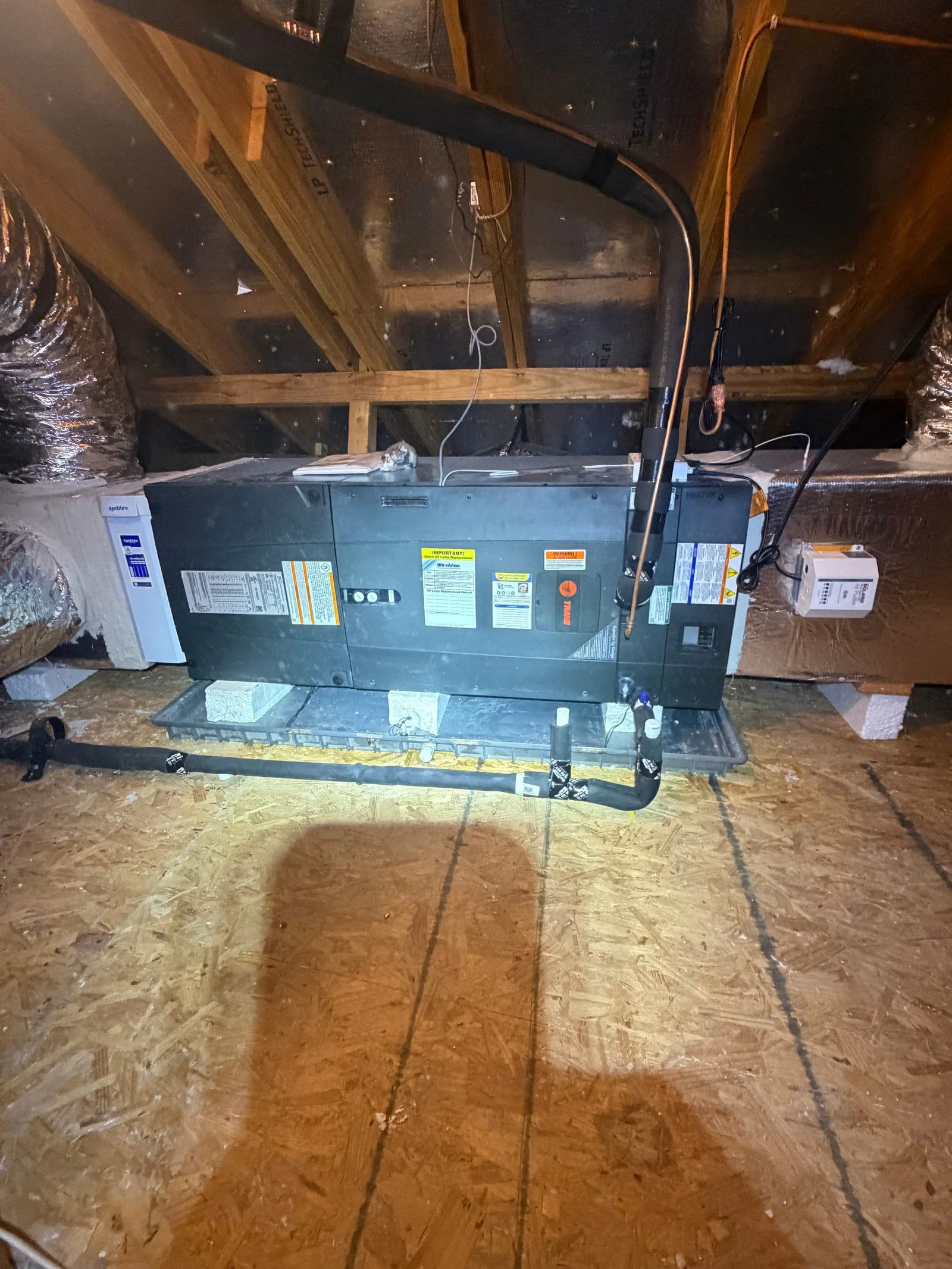
And if your home has a history of breakdowns, or you have been dealing with repeat calls for HVAC repair in Hutto, treat the upgrade as a chance to fix the underlying performance limitations. That is where Jurnee Mechanical Heating & Air Conditioning earns value, by approaching the job like a system upgrade rather than a swap.
Lower bills are not a gamble. They are the result of deliberate choices made before the first hot day hits, plus maintenance that keeps the system operating the way it was designed to operate. When you get that right, the difference in your home feels immediate, and your wallet feels it too.
Jurnee Mechanical
209 E Austin Ave, Hutto, TX 78634
(737) 408-1703
[email protected]
Website: https://jurneemechanical.com/